Introduction
In the ever-evolving field of healthcare, particularly in wound care management, it is necessary for practitioners to remain abreast of the most recent requirements and methods. The National Impairment Insurance Plan (NDIS) has actually set forth standards that aim to enhance the high quality of treatment supplied to individuals with impairments. This short article will explore just how integrating NDIS criteria can improve your wound care specialist training By focusing on finest methods, present guidelines, and effective training techniques, this comprehensive overview will certainly make certain that healthcare experts are well-appointed to provide superior person care.
Integrating NDIS Standards right into Your Injury Care Expert Training
Integrating NDIS standards right into your wound treatment specialist training serves several objectives. First and foremost, it guarantees compliance with nationwide standards, which is important for any doctor functioning under the NDIS structure. Second of all, it enhances the academic experience for individuals in wound care training courses by offering them with up-to-date understanding that directly influences their practice.
Understanding NDIS: A Quick Overview
The National Handicap Insurance policy Plan (NDIS) gives important assistance for Australians with disabilities. It intends to equip people by giving them control over their treatment options. Recognizing exactly how these standards apply to health and wellness experts is crucial for any person associated with complex wound care or persistent wound management.
Key Elements of NDIS Standards
Here are some essential components of the NDIS structure:

By integrating these components into your training educational program, you provide an all natural strategy that benefits both caregivers and people alike.
Why is Wound Care Specialist Training Important?
Wound care is an important element of health care that requires specialized abilities and expertise. Whether you're participating in basic wound care training or innovative nursing wound care training, comprehending the subtleties can substantially impact individual outcomes.
Importance of Specialized Training in Injury Care
- Improved Person Outcomes: Effectively trained experts can decrease infection rates and accelerate healing. Cost-Effectiveness: Reliable injury monitoring reduces the demand for substantial clinical therapies down the line. Enhanced Professional Credibility: A professional practitioner instills self-confidence among individuals and colleagues alike.
Wound Treatment Training Courses Available
There are different kinds of programs available:
Basic Wound Care Training Advanced Wound Treatment Management Nursing Wound Care Training Complex Wound Management TechniquesThese programs are developed to furnish doctor with practical skills along with theoretical knowledge.
The Duty of Registered nurses in Wound Treatment Management
Nurses play an essential duty in providing injury treatment treatments efficiently. Their obligations frequently include assessing wounds, developing therapy plans, and informing clients concerning self-care practices.
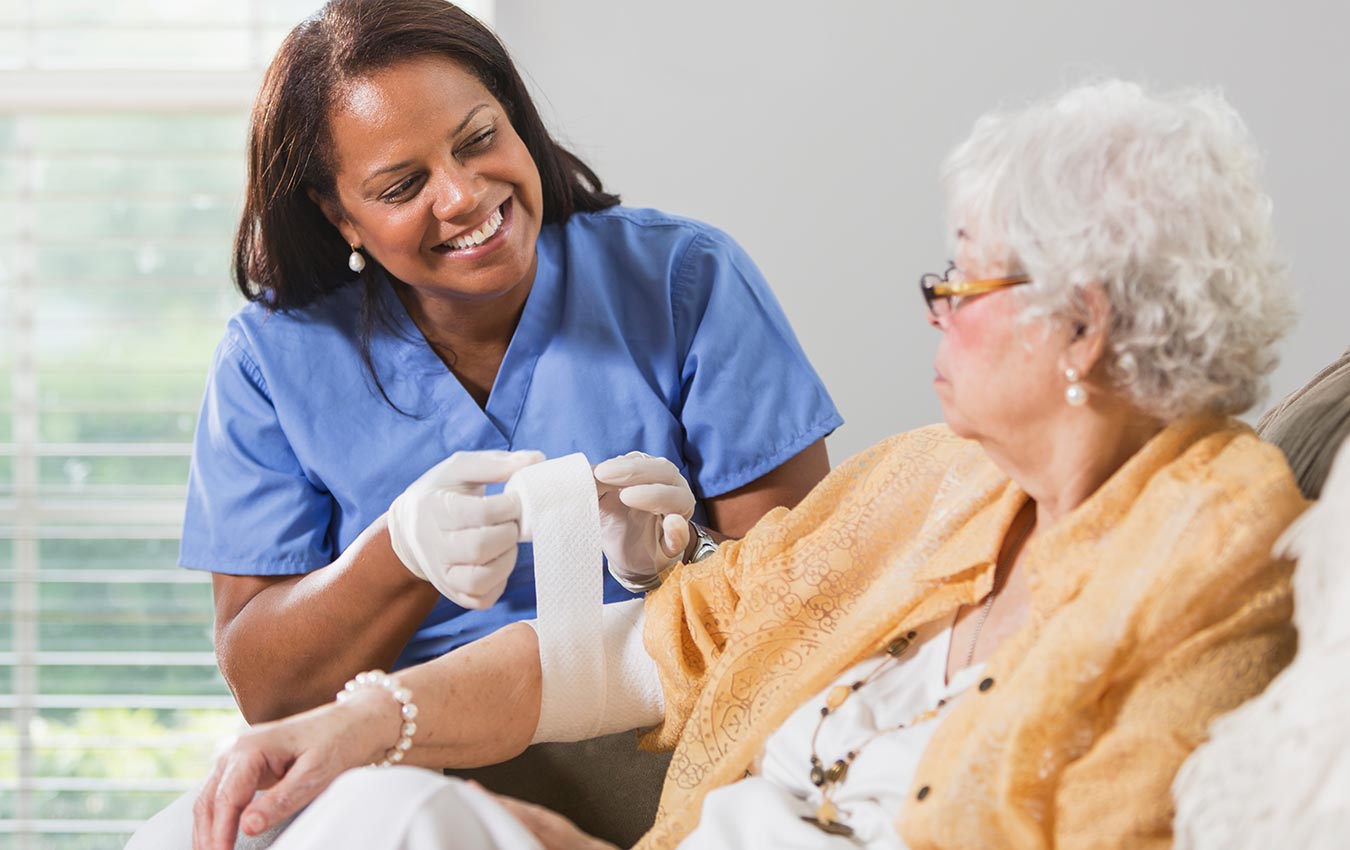
Wound Treatment Educating for Nurses
Nursing programs significantly incorporate components focused specifically on wound care management:
- Understanding Composition & & Physiology Related to Wounds Infection Control Practices Patient Education Strategies
Benefits of Specialized Nursing Injury Treatment Training
Specialized training enhances registered nurses' expertises, allowing them to:
Identify issues early. Implement evidence-based practices. Foster better interaction with various other medical care professionals.Basic Ideas in Chronic Wound Treatment Management
Chronic injuries existing unique difficulties because of their long term recovery times and sensitivity to infection.
What Makes up a Persistent Wound?
A chronic injury does not progress via the regular stages of healing within an expected duration-- normally longer than 3 months-- and may need specific treatments like advanced dressings or surgical interventions.
Common Kinds of Persistent Wounds
Diabetic Ulcers Pressure Injuries Venous Leg UlcersUnderstanding these types allows specialists to tailor their management techniques effectively.
Complex Injury Administration Techniques
Managing facility wounds needs advanced skills and thorough assessments.
Advanced Analyses for Complicated Wounds
Accurate analysis creates the foundation of efficient therapy strategies:
- Size Measurement Exudate Analysis Surrounding Skin Assessment
Intervention Strategies for Facility Wounds
Debridement Techniques Compression Therapy Advanced Dressings SelectionThese techniques need to become part of any type of extensive training program targeted at enhancing practitioners' abilities in facility injury situations.
The Relevance of Evidence-Based Practice in Injury Care Management
Evidence-based method (EBP) includes making medical decisions based on strenuous research wound care training courses study searchings for as opposed to unscientific evidence or custom alone.
Integrating EBP into Training Programs
Courses must educate participants how to examine present literary works critically and use findings within professional settings properly:
- Utilizing Scientific Guidelines Keeping Current with Study Developments Engaging in Continual Professional Development
What Are Some Evidence-Based Resources?
Cochrane Reviews National Standards Clearinghouse Peer-reviewed JournalsThese sources supply invaluable understandings into finest techniques in wound treatment management.
FAQ Section
1. What is consisted of in a typical wound care specialist training program?
A typical program includes makeup education pertaining to injuries, assessment methods, infection control procedures, dressing option methods, and person education and learning approaches customized towards chronic conditions under NDIS standards.
2. Just how does NDIS affect wound treatment practices?
NDIS state standards guaranteeing that people get personalized support allowing practitioners to integrate individualized approaches while adhering to stringent quality assurance measures.
3. Who need to think about taking a wound care training course?
Healthcare experts consisting of nurses, allied wellness team, and also caregivers thinking about enhancing their proficiency degree regarding persistent wounds would certainly benefit from such courses.

4. What's the difference in between basic wound care training and progressed courses?
Basic training courses typically cover essential principles while sophisticated training courses dive much deeper right into specialized strategies for taking care of intricate situations effectively.
5. Are on the internet programs offered for wound treatment training?
Yes! Numerous institutions now use versatile on-line options providing towards numerous learning designs while making certain that all needed proficiencies are met according to existing criteria like those set by NDIS guidelines.
6. What certifications do I need previously enrolling in nursing injury care training?
Generally talking; having a nursing level-- either signed up or enlisted-- is needed before pursuing specialized training programs concentrated specifically on injury management.
Conclusion
Integrating NDIS criteria right into your wound treatment professional training is not simply helpful; it's important for delivering high-grade patient-centered solutions within Australia's medical care structure today! Through extensive education programs that highlight both fundamental understanding along with cutting-edge developments-- healthcare providers can place themselves at the leading edge of this essential field!
By concentrating on private demands while maintaining conformity with progressing market requirements-- we make certain ideal results both clinically in addition to directly-- for those handed over under our specialist oversight!